
Substance use often causes people to make decisions they would not normally make. The use of drugs and alcohol may put you in touch with other people who are not as healthy as they could be. Use of intravenous drugs is especially dangerous, and the combination of lowered inhibitions and desperation for the next hit often causes people to make risky decisions they would not normally make, such as the decision to share needles or trust a needle from a stranger.
Some substances put you at a higher risk of an infectious disease. You may be at a higher risk if you have used:
- Heroin
- Cocaine
- Steroids
- Methamphetamines
While it isn’t unheard of to convert drugs like Xanax and Valium into injectable form, it isn’t a terribly common practice either, in comparison to those drugs listed above. No matter what substances you may have used, the risk is present.1
Infectious Diseases Associated with Substance Use
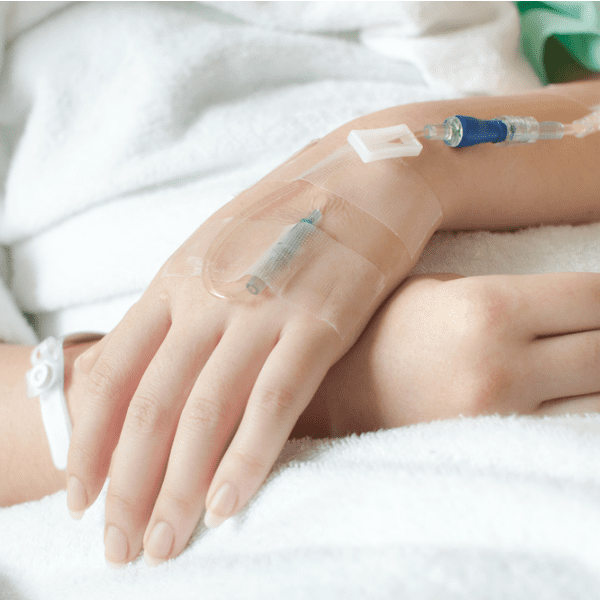 Infectious diseases — also known as communicable diseases — are the leading cause of human death worldwide.2Unfortunately, substance use compromises the immune system, which leaves addicted people especially vulnerable. The following diseases are often closely related to injection drug usage and unprotected sexual behavior following substance use:
- Tuberculosis
- HIV/AIDS
- Hepatitis A, B and C
- Sexually transmitted diseases/infections
Symptoms of these diseases vary. For instance, Hepatitis A impacts the liver and causes flu-like symptoms such as fatigue, muscle aches, and vomiting — lasts for a maximum of a few weeks for most, but symptoms may present longer. Hepatitis B often causes yellowing of the skin and the whites of the eyes, as well as joint pain and dark urine. Hepatitis B may lead to death if left untreated.3
Hepatitis C is often the deadliest form of this disease. Hepatitis C is often the most difficult to diagnose because this disease doesn’t present many early symptoms. About a quarter of those infected will have symptoms of tiredness, fever, and muscle aches and jaundice, before experiencing severe side effects, such as liver failure.3Up to130 to 150 million people are infected with hepatitis C around the globe, and 350,000 to 500,000 die from consequent liver diseases annually.4
Symptoms of sexually transmitted diseases vary. From burning and discharge with chlamydia and gonorrhea, to the sores and itching that accompany herpes, no two STDs are exactly alike. Those who contract the human papillomavirus (HPV) may remain totally asymptomatic forever; others will develop genital warts, and some women will grow abnormal cervical cells that lead to cancer. Tuberculosis presents symptoms inclusive of night sweats, fever, and weight loss, later accompanied by cough and chest pain in those with chronic TB, according to the National Institute of Allergy and Infectious Diseases. HIV and AIDS lead to long-term immune suppression, and if left untreated, may lead to death.5
“In treatment, I found out that I had Hepatitis C from a relapse five months earlier, which was the only time I had ever used a needle. I was also told again that I needed long-term treatment for my addiction, alcoholism, and the Hepatitis C… I was treated for my Hepatitis C for a full year. I am so grateful for my life today. I am working on a book, I sponsor two women and I plan to open my own counseling service for women one day. We do recover.” –Katie M., Heroes in Recovery
Prevention of Infectious Diseases
While there are vaccines available for many infectious diseases like the flu and even strains of hepatitis, diseases like HIV and genital herpes are not yet fortunate enough to have preventative immunizations available. The very best way to prevent an infectious disease is to seek recovery from substance use.
When people choose a quality rehab recovery program, they often begin with a thorough medical exam. This allows screening for a number of diseases, while the immediate cessation of substance use will prevent any more exposure. The very best way to prevent an infectious disease is to become as healthy as you can be, stop using drugs or alcohol, and bring a supportive network of healthy people into your life.
If you do continue to use injectable drugs or if you find yourself making risky decisions while using, please try to ensure that you are using clean needles, and consider your safety when it comes to sexual activity. Making simple changes will help prevent disease, but the best way to prevent is to stop using substances altogether.
Getting Tested
When prevention fails, early detection is the next best health intervention at your disposal. Unfortunately, active substance use will only make you less likely to for some of these devastating illnesses. The stigma that follows substance use or the fear of receiving a diagnosis may you very anxious to get tested. However, early detection could save your life, and many of these illnesses can be successfully treated if they are caught early.
Treatment
An estimated 16 million people are currently using injectable drug substances across the globe.6 The majority of those people will never seek treatment, but that doesn’t have to be you. We know that drug abuse usually isn’t the only problem, and we won’t judge you for any baggage that comes along with it.
Often, other factors are to blame for the development of drug addictions, such as experiences of past trauma, life circumstance, or mental health issues like anxiety or depression. We can help by offering everything from detox and mental health evaluations to counseling on ways to protect yourself from infectious diseases in case of relapse.
There is no one-size-fits-all solution that cures substance addiction. At Black Bear Lodge, we understand this, and that’s why we tailor your treatment plan to fit your specific needs. We want you to walk away from the lodge clean, sober, and prepared for your new life. The best way to ensure your lasting recovery is a guided treatment path that focuses on meeting all your needs. Call us today at 706-909-9811 to find out more about our exceptional facility and how we can help you on your road to a new healthy life.
Sources
1 NIDA. Health Consequences of Drug Misuse. National Institute on Drug Abuse. 23 Mar. 2017.Web. Accessed 20 Dec. 2017.
2 U.S. National Library of Medicine. Infectious Diseases. Web. Accessed 20 Dec. 2017.
3 Centers for Disease Control. The ABCs of Hepatitis. CDC. 2016. Web. Accessed 20 Dec. 2017.
4 World Health Organization. Hepatitis C. Oct 2017. Web. Accessed 20 Dec. 2017.
5 U.S. Department of Health and Human Services. What are some types of and treatments for sexually transmitted diseases (STDs) or sexually transmitted infections (STIs)? Web. Accessed 20 Dec. 2017.
6 World Health Organization. People Who Inject Drugs. Web. Accessed 20 Dec. 2017.