Alcohol Addiction: Signs, Symptoms and Treatment
Alcohol use disorder often develops gradually. What may begin as occasional drinking can become something that affects your health, relationships, work and overall well-being.
Many people spend months or years wondering whether their drinking has become a problem before reaching out for help. If you are asking yourself that question, it may be worth taking a closer look.
At Black Bear Lodge, we help adults experiencing alcohol addiction begin recovery through medically supervised detox, residential treatment and individualized care in the foothills of the North Georgia mountains.
Signs and Symptoms of Alcohol Addiction
Alcohol addiction does not always look the same from person to person.
Some individuals experience obvious consequences, while others continue managing responsibilities at work and home while struggling privately with their drinking.
Common signs of alcohol addiction include:
- Drinking more than intended
- Difficulty cutting back or stopping
- Spending significant time drinking or recovering from drinking
- Strong cravings or urges to drink
- Continuing to drink despite negative consequences
- Giving up activities or hobbies because of alcohol use
- Needing more alcohol to achieve the same effects
- Experiencing withdrawal symptoms when alcohol use stops
Physical symptoms may include:
- Tremors or shaking
- Sleep disturbances
- Frequent illness
- Changes in appetite or weight
- Memory problems or blackouts
- Anxiety when not drinking
Recognizing these signs can be the first step toward getting help.
Binge Drinking vs. Alcohol Use Disorder
Not everyone who drinks heavily has alcohol use disorder, but understanding the difference can be helpful.
Binge drinking refers to consuming a large amount of alcohol in a short period of time. While binge drinking can create significant risks, it does not always involve physical dependence.
Alcohol use disorder involves a pattern of continued alcohol use despite negative consequences. It often includes cravings, loss of control over drinking, tolerance and withdrawal symptoms.
For many people, patterns of binge drinking eventually progress into alcohol dependence.
If you are unsure whether your drinking has crossed that line, a professional assessment can help provide clarity.
When to Go to Rehab for Alcohol
There is no perfect moment to seek treatment.
However, professional help may be appropriate if:
- You have tried to stop drinking without success
- Alcohol is affecting your relationships, work or health
- You experience withdrawal symptoms when you stop drinking
- You use alcohol to cope with anxiety, depression or emotional distress
- Friends or family have expressed concern about your drinking
Alcohol withdrawal can become medically serious for some individuals. If you are concerned about withdrawal symptoms, it is important to speak with a healthcare professional before attempting to stop on your own.
Alcohol Addiction Treatment at Black Bear Lodge
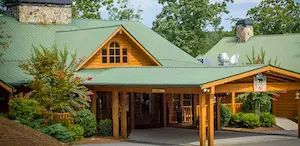
Black Bear Lodge provides residential alcohol addiction treatment in North Georgia.
Located near Yonah Mountain, our campus offers a peaceful environment where individuals can step away from everyday distractions and focus fully on recovery.
Treatment is individualized and designed to address each person’s unique needs, history and goals.
Medical Detox
For individuals experiencing physical dependence on alcohol, medically supervised detox is often the first step. Our clinical team monitors patients throughout the withdrawal process and helps manage symptoms as the body adjusts to life without alcohol.
Individual Therapy
One-on-one counseling provides an opportunity to explore personal challenges, identify triggers and develop healthier coping strategies.
Group Therapy
Group sessions allow individuals to connect with peers, share experiences and build support throughout the recovery process.
Evidence-Based Treatment
Treatment may include:
- Cognitive Behavioral Therapy (CBT)
- Dialectical Behavior Therapy (DBT)
- Motivational Interviewing
- Trauma-informed therapy
- Relapse prevention planning
Dual Diagnosis Treatment
Many individuals experiencing alcohol addiction are also living with anxiety, depression, trauma or other mental health concerns.
Our integrated dual diagnosis program addresses both substance use and mental health conditions as part of a coordinated treatment plan.
Whole-Person Recovery
Recovery involves physical, emotional and mental healing. Nutrition, recreation, wellness activities and the natural surroundings of the North Georgia mountains all support the recovery process.
How Long Is Alcohol Rehab?
Length of stay varies based on each person’s needs, treatment progress and insurance coverage.
Many residential treatment stays are approximately 30 days, although some individuals may benefit from additional levels of care or continued treatment following residential programming.
Your treatment team will work with you throughout your stay to help determine the most appropriate plan for ongoing recovery.
What Comes After Alcohol Rehab?
Recovery continues after residential treatment ends.
Before discharge, patients work with their treatment team to develop an individualized continuing care plan that may include:
- Outpatient treatment
- Individual therapy
- Medication management
- Recovery support groups
- Sober living referrals
- Alumni support opportunities
The goal is to help individuals continue building on the progress made during treatment and maintain momentum in recovery.
Frequently Asked Questions
You Do Not Have to Figure This Out Alone
Whether you are ready to begin treatment or simply looking for answers, help is available.
Black Bear Lodge provides medically supervised detox, residential treatment and dual diagnosis care for individuals struggling with alcohol addiction.
Our admissions team is available 24 hours a day to answer questions, verify insurance benefits and help you understand your options.